
Reclaiming Your Smile: A Comprehensive Guide to Dental Implants
Reclaiming Your Smile: A Comprehensive Guide to Dental Implants
The loss of a tooth, or multiple teeth, can significantly impact your life. Beyond the aesthetic concerns, missing teeth can hinder your ability to chew effectively, affect your speech, and even contribute to bone loss in the jaw. Dental implants offer a revolutionary solution, restoring both the function and aesthetics of your smile.
This blog delves into the world of dental implants, providing a comprehensive guide for anyone considering this treatment option. We’ll explore everything from understanding the benefits and types of implants to the procedure itself, aftercare, and cost considerations.

Understanding Dental Implants:
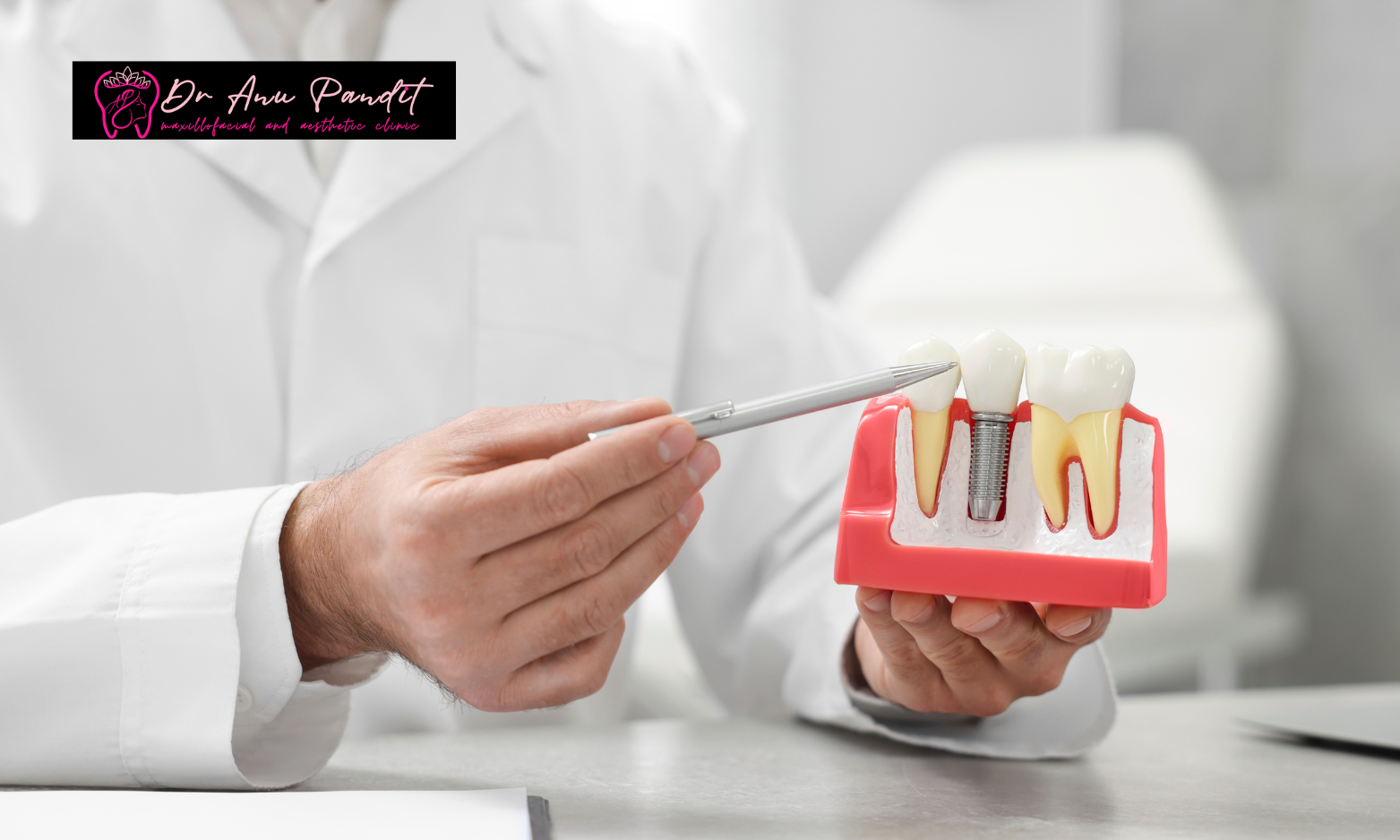
Dental implants are small, screw-like posts made of biocompatible titanium. These posts are surgically placed into the jawbone, where they fuse with the bone over time through a process called osseointegration. Once osseointegration occurs, the implant acts as an artificial tooth root, providing a stable foundation for a dental crown (artificial tooth), bridge, or denture.
Benefits of Dental Implants:
Compared to traditional options like dentures or bridges, dental implants offer a multitude of benefits:
- Enhanced Functionality: Implants provide the closest thing to natural teeth in terms of chewing ability. This allows you to eat a wider variety of foods with confidence.
- Improved Speech: Missing teeth can impact your speech, causing slurring or difficulty pronouncing certain sounds. Implants restore natural speech patterns.
- Preserved Jawbone Health: When a tooth is missing, the jawbone beneath it begins to deteriorate. Implants stimulate the jawbone, preventing bone loss and maintaining facial structure.
- Durability and Longevity: Implants are highly durable and can last a lifetime with proper care.
- Natural Appearance: Dental crowns are custom-made to match the color, shape, and size of your surrounding teeth, creating a natural, aesthetically pleasing smile.
- Increased Confidence: A healthy, complete smile can significantly boost your confidence and self-esteem.
Types of Dental Implants:
There are various types of dental implants available, each suited to address specific needs. Here’s a breakdown of some common types:
- Endosteal Implants: These are the most common type, surgically placed in the jawbone. They come in different shapes and sizes to accommodate various dental configurations.
- Subperiosteal Implants: These are placed on or above the jawbone and are typically used for patients with limited jawbone density.
- Zygomatic Implants: These longer implants are used in the upper jawbone, particularly in cases of severe bone loss.
- Single Tooth Implants: As the name suggests, these implants replace a single missing tooth.
- Implant-Supported Bridges: These bridges are used to replace multiple missing teeth and are anchored by two or more implants.
- Implant-Overdentures: These dentures are secured using implants, providing improved stability and a more natural feel compared to traditional dentures.
The Dental Implant Procedure:
The dental implant procedure typically involves several stages:
- Consultation and Evaluation: Your dentist will thoroughly examine your mouth, assess your jawbone health, and discuss your goals and expectations. X-rays or CT scans may be required to evaluate bone density and plan implant placement.
- Dental Implant Placement: This surgical procedure is usually performed under local anesthesia or light sedation. The dentist will create a small incision in the gum tissue and place the implant(s) into the jawbone. Stitches may be used to close the incision.
- Healing and Osseointegration: The healing time for the implant to fuse with the jawbone can vary from a few months to several months. During this time, you’ll wear a temporary restoration, such as a denture or crown, to maintain aesthetics and functionality.
- Abutment Placement: Once osseointegration is complete, a small connector piece called an abutment is attached to the implant.
- Crown Placement: The final stage involves placing a custom-made dental crown on the abutment, creating the visible portion of the artificial tooth.
Aftercare and Maintenance:
Following the dental implant procedure, proper care is crucial for the long-term success of the implant. Here are some essential aftercare tips:
- Maintain meticulous oral hygiene: Brush and floss regularly, paying particular attention to the area around the implant.
- Attend regular dental checkups and cleanings: Your dentist will monitor the implant and surrounding tissue for any signs of infection or complications.
- Avoid smoking: Smoking can negatively impact healing and increase the risk of implant failure.
- Maintain a healthy diet: Eating a healthy diet rich in nutrients promotes optimal healing and overall oral health.
Cost Considerations:
Dental implants are an investment in your oral health and overall well-being. The cost of treatment can vary depending on several factors, including:
- The number of implants needed
- The type of implant used (material, brand)
- The complexity of the surgical procedure (bone grafting needed?)
- Geographic location (cost of living can impact dental fees)
- Dentist’s experience and expertise
While the upfront cost of dental implants may seem higher compared to traditional options, their long-term durability, minimal maintenance requirements, and improved quality of life make them a worthwhile investment for many people.
Financing Options:
Many dental clinics and implant specialists offer financing options to help make treatment more affordable. Discuss these options with your dentist to determine the payment plan that best suits your budget.
Alternatives to Dental Implants:
While dental implants offer numerous advantages, they may not be suitable for everyone. Here’s a brief overview of some alternative tooth replacement options:
- Dentures: Traditional dentures are removable prosthetics that replace all missing teeth in an arch. They can be full dentures (upper and lower jaw) or partial dentures (replacing some missing teeth). While dentures have improved significantly, they can slip and cause discomfort, especially when compared to implant-supported dentures.
- Bridges: Dental bridges are fixed restorations anchored by healthy teeth on either side of the gap. They are a good option for replacing one or a few missing teeth but can put extra stress on the supporting teeth and may require modification of healthy teeth.
Is a Dental Implant Right for You?
If you’re considering dental implants, the best way to determine if they’re right for you is to schedule a consultation with a qualified dentist or oral surgeon. They will assess your individual situation, discuss your goals and concerns, and recommend the most suitable treatment option.
Here are some factors to consider when making your decision:
- Overall health: Dental implants require good overall health and a healthy jawbone. You may need additional procedures like bone grafting if your jawbone is not strong enough to support implants.
- Smoking cessation: Smoking can significantly increase the risk of implant failure. If you’re a smoker, quitting smoking is highly recommended before undergoing implant surgery.
- Commitment to oral hygiene: Maintaining meticulous oral hygiene is essential for the long-term success of dental implants.
Finding the Right Dentist for Dental Implants:
Choosing a qualified and experienced dentist or oral surgeon for your dental implant procedure is crucial. Look for a dentist who:
- Is a board-certified dentist or oral surgeon with experience in implant dentistry.
- Has a good reputation and positive patient reviews.
- Utilizes advanced technology and equipment.
- Offers a comfortable and welcoming environment.
- Clearly explains the procedure, risks, and benefits.
- Discusses all treatment options and costs transparently.
Conclusion:
Dental implants offer a life-changing solution for individuals with missing teeth. They restore both the function and aesthetics of your smile, allowing you to eat, speak, and smile with confidence. By understanding the benefits, types, procedure involved, and aftercare requirements, you can make an informed decision about whether dental implants are the right choice for you. Remember, consulting with a qualified dentist is the first step towards reclaiming your smile and improving your oral health.